Privacy and Security Concerns with Social Media
Social media allows people to communicate, share experiences, follow news and build professional relationships. However, using these platforms can expose personal information to advertisers, scammers, cybercriminals and other unwanted audiences. A photograph, public profile or seemingly harmless post can reveal more about a person than they intended.
Social media privacy and security concerns include excessive data collection, identity theft, account hacking, phishing scams, location tracking, cyberbullying and unauthorised access to personal information. Users can reduce these risks by adjusting privacy settings, securing their accounts and thinking carefully before sharing information online.
In this article, we will discuss some of the major security and privacy concerns with social media and how to protect yourself from these risks.
What Are Social Media Privacy and Security Concerns?
Social media privacy concerns relate to how platforms collect, store, analyse and share information about their users. Security concerns involve threats that may expose accounts, devices or personal data to unauthorised access.
For example, a platform might collect information about your interests to personalise advertisements. A cybercriminal might use details from your public profile to impersonate you or create a convincing scam.
These risks can affect anyone who uses social networking platforms, including Facebook, Instagram, TikTok, LinkedIn and other online communities. The level of risk depends on the information users share, their account settings, platform practices and the precautions they take.
1. Excessive Data Collection and Online Tracking
Social media platforms may collect information about users’ interests, interactions, device activity and location, depending on their features, permissions and privacy policies. Companies can use this information to personalise content, recommend accounts and deliver targeted advertisements.
The concern arises when users do not fully understand what information a platform collects, how long it retains that information or which third parties may receive it.
2. Identity Theft and Impersonation
Identity theft is another significant social media security concern. Cybercriminals can use publicly available details, such as a person’s name, birthday, photographs, workplace and family connections, to create fake profiles or support fraudulent activities.
For example, someone might create an account using your photograph and contact your friends to request emergency money. Other criminals may use personal details to make phishing messages appear more convincing.
3. Social Media Scams and Phishing Attacks
Scammers often exploit social media messages, advertisements, comments and direct messages to approach potential victims. They may offer unrealistic discounts, promise investment returns, impersonate customer support staff or claim that an account will be suspended unless the user acts immediately.
Phishing attacks attempt to trick people into revealing passwords, payment details or verification codes through fraudulent links and websites.
The US Federal Trade Commission reported that consumers who reported losing money to scams in 2025 lost $2.1 billion to scams that started on social media.
4. Account Hacking and Password Theft
A compromised social media account can expose private conversations, photographs, contact information and other personal details. Criminals may also use the account to scam friends or spread malicious links.
Weak passwords, reused credentials, phishing attacks and compromised email accounts can increase the risk of account takeover.
5. Third-Party Data Sharing and Targeted Advertising
Social media services may share or make certain user information available to advertising partners, analytics providers and third-party applications, depending on their policies and settings.
Third-party integrations can create additional risks if an application requests excessive permissions or handles information poorly. The Cambridge Analytica controversy also demonstrated how the misuse of personal data obtained through social networking services can raise serious privacy and accountability concerns.
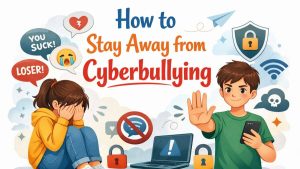
6. Cyberbullying, Harassment and Cyberstalking
Social media can expose users to abusive comments, threatening messages, unwanted contact and persistent harassment. Fake accounts may make it easier for perpetrators to target people or spread harmful information about them.
Such behaviour can affect a person’s emotional well-being, relationships, education and professional reputation.
7. Fake Accounts, Deepfakes and Misinformation
Fake profiles can impersonate real people, organisations or public figures. Fraudsters may use manipulated images, fabricated endorsements and AI-generated audio or video to make false claims appear authentic.
Misinformation can also spread when users share sensational posts without checking the original source. These practices can damage reputations and expose users to financial fraud.
8. Data Breaches and Unauthorised Access
A data breach occurs when personal information becomes accessible to people who should not have access to it. A breach involving a social media service or a connected application may expose email addresses, account details and other user information.
Users cannot prevent every breach because platforms and third-party providers control much of the underlying infrastructure. However, they can reduce the potential damage.
How to Protect Your Privacy on Social Media
The following practices can help users reduce their exposure to common social media security and privacy risks.
Review Privacy Settings
Check the visibility of your posts, profile details, contact information and friends list. Choose the most restrictive settings that suit your needs. Review these settings regularly because platforms may introduce new features or change existing controls.
Use Strong Passwords and Multi-Factor Authentication
Create a unique password or passphrase for each account. A reputable password manager can help you generate and store credentials securely. Enable multi-factor authentication to add another layer of protection during login.
Limit Personal Information
Avoid publicly sharing your home address, financial details, identity documents, security answers and sensitive information about family members. Even information that seems harmless can help a scammer construct a convincing message.
Be Careful With Links and Messages
Treat unexpected requests for money, login details or verification codes with caution. Visit official websites directly instead of following suspicious links. Contact the sender through a separate, trusted channel if a message seems unusual.
Review App Permissions
Check which applications can access your location, contacts, photographs, camera and microphone. Remove permissions that are unnecessary for the app’s intended function. Disconnect third-party applications that you no longer use.
Monitor Account Activity
Review login history and enable notifications for unfamiliar sign-ins when available. Secure your recovery email and phone number, as criminals may target these accounts to regain access to your social media profiles.
Block and Report Harmful Accounts
Use platform tools to block, restrict or report suspicious accounts. Save evidence of threats, fraud or harassment when appropriate. If a person has compromised your account, follow the platform’s official recovery process and secure any linked accounts.
Conclusion
Social media offers valuable opportunities for communication and learning, but it also creates privacy and security risks. Excessive data collection, phishing, identity theft, account hacking and online harassment can affect users who share information without understanding the possible consequences.
You can reduce these risks by limiting personal information, checking privacy settings, securing your accounts and verifying suspicious messages. A few consistent security habits can help you enjoy social media while maintaining greater control over your personal information.