How to Stay Away from Cyberbullying
Almost everyone has witnessed bullying at some point, and for many people, those experiences leave lasting emotional effects. Being targeted can change how a person feels about themselves and the world around them. This often leads to an important question: how can someone deal with a bully while staying safe?
Cyberbullying has become increasingly common with the rise of the internet, social media, and instant messaging. Unlike traditional bullying, online harassment can follow a person everywhere, making its psychological impact even more harmful. The good news is that support exists, and several practical steps can help people handle and prevent cyberbullying.
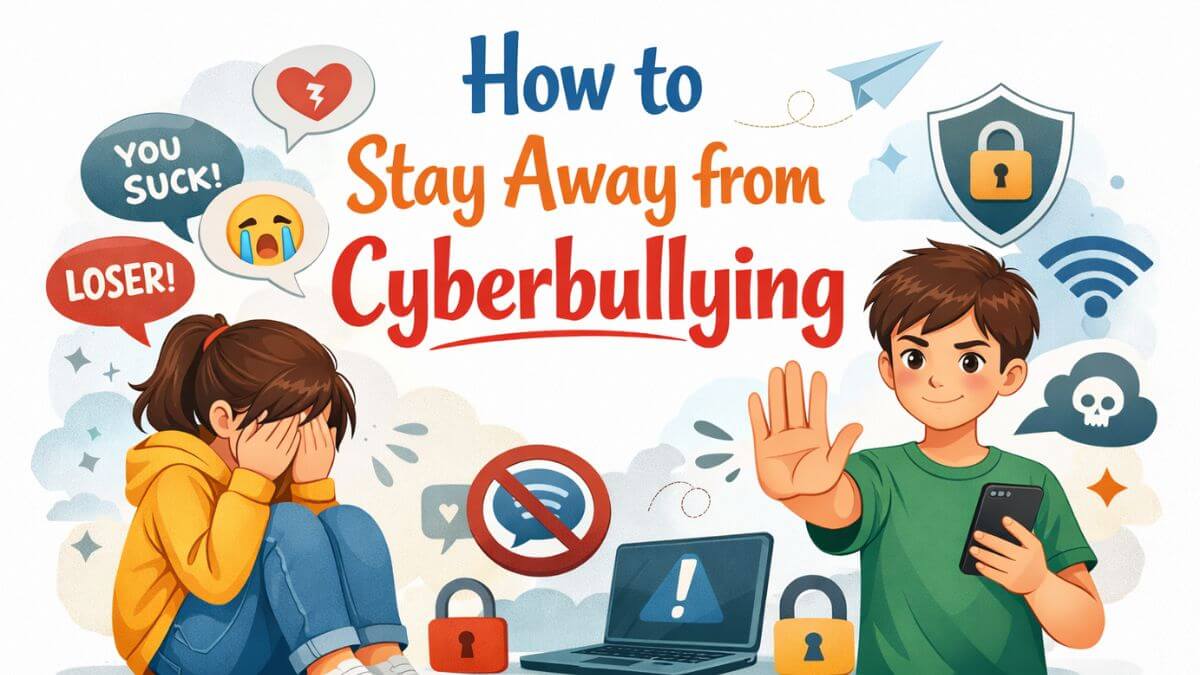
Know that there is support available if you or someone you know is experiencing cyberbullying. Some advice on how to handle and avoid cyberbullying is as follows.
1. Do not respond
Bullies often seek attention, emotional reactions, or a sense of power. When someone replies with anger, fear, or insults, the bully feels encouraged to continue. Ignoring the behaviour removes the reward they expect. Silence shows that their actions do not control you. If you must reply—for example, to set a boundary—keep your message short, calm, and firm. Avoid sarcasm or emotional language. Ending communication quickly prevents the situation from escalating and protects your mental well-being.
2. Save the evidence of bullying
Keeping proof of cyberbullying is a crucial protective step. Take screenshots of messages, comments, images, or posts, and store them in a safe place. Record dates, times, and usernames if possible. Evidence strengthens your case when you report the issue to parents, schools, workplace authorities, or legal bodies. Without documentation, adults or officials may struggle to understand the seriousness of the situation. Organised records also help you feel more prepared and less powerless.
3. Block Them
Blocking tools on social media platforms, games, and messaging apps exist for personal safety. Using them prevents the bully from contacting you directly or viewing your profile. This action reduces repeated exposure to harmful content and creates a digital boundary. Many people hesitate to block others, but protecting your emotional health should be the priority. After blocking, review privacy settings to limit who can send messages, comment, or see personal information.
4. Tell About Bullying to a Trusted Person
Sharing the experience with a trusted adult or friend provides emotional relief and practical help. Speaking up may feel difficult, but support from others reduces feelings of isolation. Parents, teachers, counsellors, or close friends can offer advice, monitor the situation, and help with reporting procedures. Emotional encouragement also builds resilience and confidence. No one should handle bullying alone, and asking for help shows strength rather than weakness.
5. Report the Bullying
Most platforms have reporting systems designed to address harassment and abuse. Submitting a report can lead to warnings, content removal, account suspension, or other actions against the offender. In serious cases involving threats, stalking, or repeated harassment, schools or law enforcement may need to intervene. Reporting protects not only you but also others who might face similar treatment. Taking formal action sends a clear message that harmful behaviour has consequences.
6. Avoid sharing personal triggers
Bullies often use personal information to cause harm. Be mindful of what you post online. Avoid sharing private struggles, sensitive photos, or personal conflicts publicly. Limiting emotional exposure online reduces the material a bully can misuse.
7. Build digital confidence and awareness
Learning about online safety strengthens protection. Understand platform rules, reporting systems, and privacy features. Digital literacy empowers individuals to handle threats calmly rather than reacting emotionally. Schools and communities that teach online safety report lower rates of repeated cyberbullying incidents.
Conclusion
Cyberbullying creates real emotional harm, but people can reduce its power through awareness, action, and support. Calm responses, strong digital boundaries, and proper reporting systems shift control away from the bully and back to the target. Emotional support from trusted individuals strengthens resilience, while digital literacy helps prevent future risks. No one deserves to face online harassment alone, and silence only protects harmful behaviour. When individuals speak up, document evidence, and seek help, they not only protect themselves but also contribute to a safer and more respectful online environment for others.